In the ever-evolving world of beauty, trends come and go with the seasons. We see neon liners one month and “clean girl” aesthetics the next. However, amidst the constant flux of the makeup industry, certain products remain foundational. Among these, the eyeshadow palette stands as perhaps the most versatile tool in a makeup artist’s kit—or a beginner’s vanity.
While thousands of brands launch new collections every year, the industry has settled into several “archetypal” palettes that have become the most common and essential choices for consumers worldwide. Understanding these common palettes is not just about following the crowd; it is about recognizing the color theories and textures that work most effectively for the human eye.
The Reign of the Warm Neutrals
If you were to peek into any makeup bag today, the most likely inhabitant would be a warm neutral palette. This category exploded in popularity in the mid-2010s and has remained the dominant choice for daily wear.
These palettes are characterized by a range of browns, tans, siennas, and burnt oranges. The reason for their ubiquity is biological: warm tones often mimic the natural shadows and highlights of the skin, making them incredibly flattering across a wide range of skin tones. A typical warm neutral palette includes a mix of matte “transition” shades (colors that help blend harsher lines) and metallic copper or gold shimmers for the lid. They are the “workhorse” of the beauty industry, taking a user from a subtle office look to a sunset-inspired evening glow with minimal effort.
The Allure of the Cool-Toned Mauve and Taupe
While warm tones dominated for nearly a decade, 2026 has seen a significant resurgence of cool-toned palettes. These are common among users who prefer a more sophisticated, “moody,” or understated look.
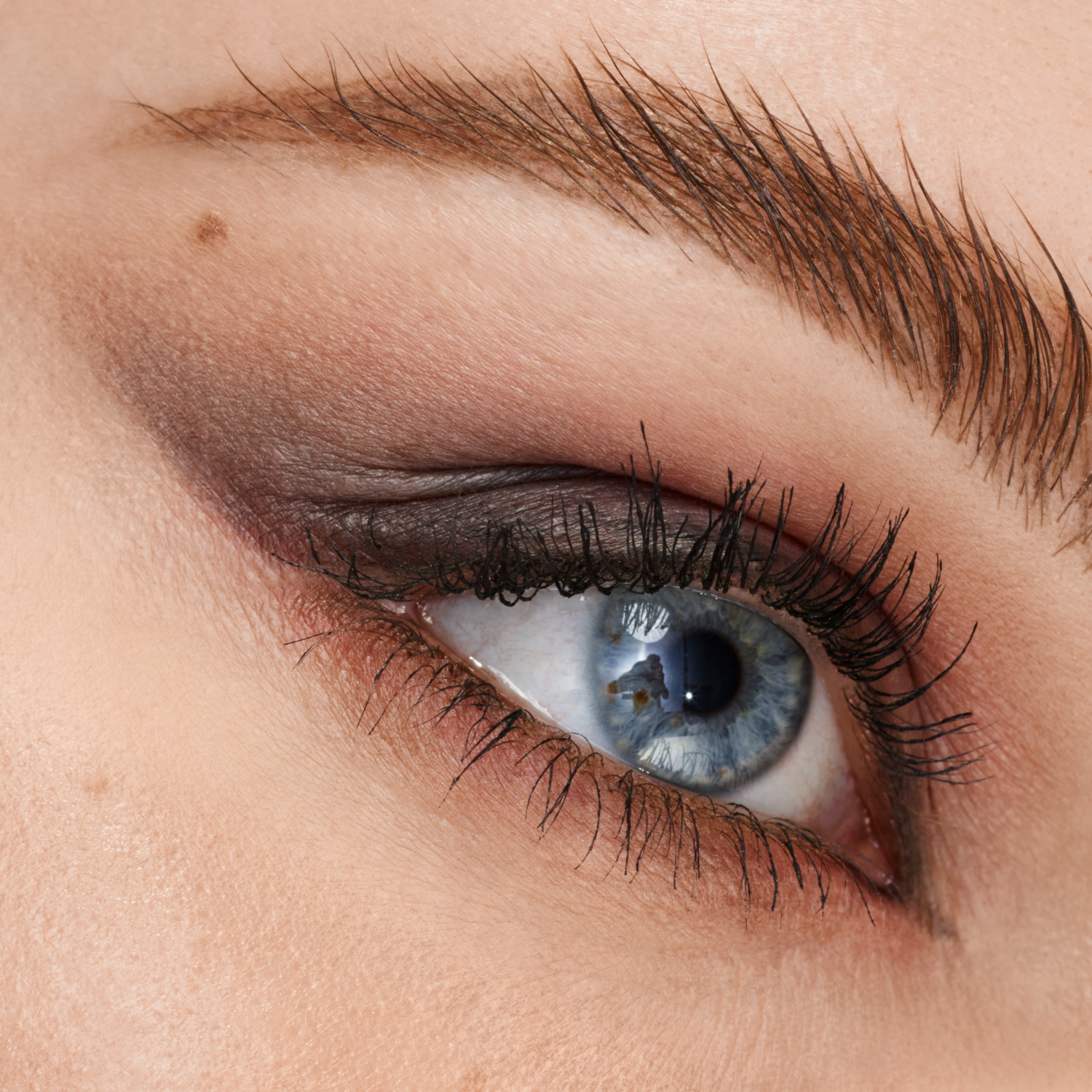
Commonly featuring dusty roses, mauves, slate greys, and silver-shimmers, these palettes offer a different kind of dimension. Cool tones are particularly effective for creating the classic “smokey eye” without the harshness of pure black. Taupe, a grayish-brown, is the star of these palettes. It serves as a perfect contour for the eyelid, providing a shadow that looks incredibly natural on those with fair to medium cool undertones. This category is favored by those who find that oranges and reds make their eyes look tired or irritated.
The “Naked” Minimalist: All-Matte Palettes
In a world often saturated with glitter and high-shine foils, the all-matte palette remains a sophisticated staple. These are most common among professional makeup artists and those who prefer the “no-makeup” makeup look.
Without the distraction of shimmer, all-matte palettes focus entirely on shape and structure. They are typically curated in a gradient of skin-toned beiges, chocolate browns, and charcoals. The utility of an all-matte palette lies in its ability to sculpt the eye. By using different depths of matte powder, one can “lift” the eyelid or “deepen” the crease, creating an architectural change to the eye shape that shimmers can sometimes obscure. Furthermore, matte shadows are the gold standard for mature skin, as they do not settle into or accentuate fine lines the way reflective pigments might.
The Jewel Tone and Pop of Color Palettes
For those who view makeup as a form of artistic expression rather than just a daily grooming ritual, the “Pop of Color” or “Jewel Tone” palette is the common entry point into creative beauty.
These palettes often feature a base of neutrals but include four or five “statement” shades—think royal blue, emerald green, deep amethyst, or vibrant fuchsia. They are designed for the “desk-to-dinner” transition, where one can apply a neutral base during the day and add a vibrant shimmer to the lower lash line or inner corner for a night out. In the current market, these are common because they allow consumers to experiment with color without committing to a fully neon or unwearable rainbow palette.
The Evolution of Texture: Hybrid Palettes
As we analyze the most common palettes of the modern era, we must look at the evolution of formula. We are no longer limited to simple pressed powders. The most successful palettes now are “hybrids.”
It is now standard to find a single palette containing traditional mattes, “cream-to-powder” formulas, multichromes (colors that shift depending on the light), and even pressed glitters. This variety is common because it provides a complete “eye look” in one compact. Users can use the cream base to make the powder stick longer and use the multichrome as a “topper” to add a professional, high-fashion finish. This multi-textural approach is what separates modern “cult-favorite” palettes from the chalky versions of the past.
Conclusion: Finding Your Personal Staple
The sheer number of eyeshadow palettes available today can be overwhelming, but they almost all fall into these common categories. Whether it is the reliability of a warm neutral, the elegance of a cool taupe, the structure of an all-matte set, or the excitement of jewel tones, these palettes serve as the building blocks of self-expression.
Choosing the right one is about understanding your own “color story.” Are you looking for something that enhances your natural features for the 9-to-5 grind, or do you want a palette that challenges you to try something new? The “most common” palettes are popular for a reason—they work. They have been refined over years of consumer feedback and chemical innovation to ensure that regardless of your skill level, you can create a look that makes you feel confident.
a