The Science of Smart Savings: Strategic Methods to Always Get The Greatest Deals

Finding significant discounts on everyday purchases, major appliances, or luxury goods is no longer a matter of luck. In today’s digital marketplace, securing the lowest possible price requires a combination of timing, technology, and strategic planning. Retailers utilize complex pricing algorithms to adjust costs dynamically based on demand, location, and browsing habits. Consequently, consumers must adopt structured methods to navigate these pricing structures effectively.

Whether shopping online or visiting physical storefronts, mastering the art of saving requires moving beyond basic coupon clipping. This article explores actionable strategies designed to help you consistently secure the greatest deals on every purchase.

1. Mastering Dynamic Pricing and Digital Tracking

E-commerce platforms frequently shift prices throughout the day based on user behavior and market demand. Learning how to navigate these automated price changes is the first step toward maximizing savings.

  1. Utilize Automated Price Tracking Tools: Price fluctuations happen constantly online. Utilizing digital
Read more

Strategic Tactics for Maximum Savings: Expert Suggestions for Black Friday Shopping

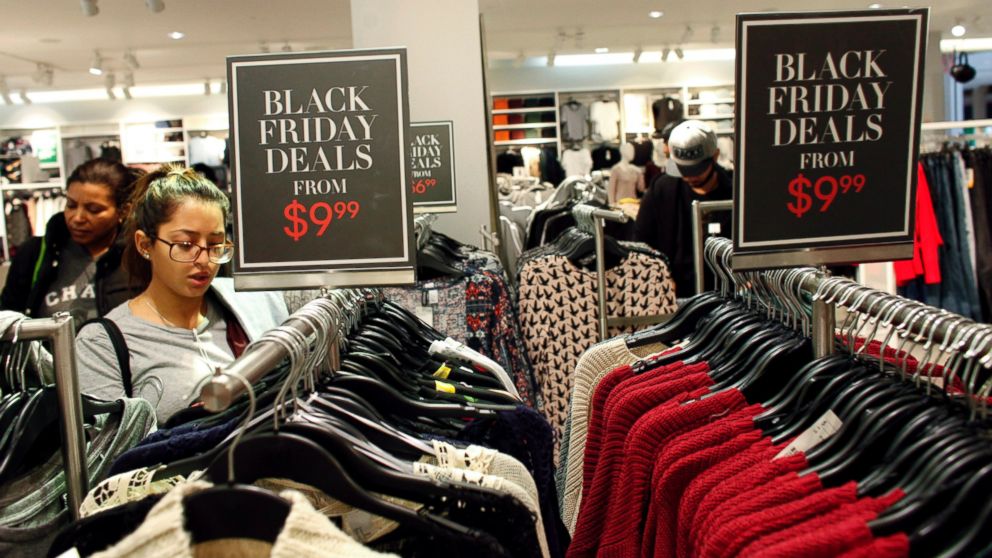
Black Friday has evolved far beyond a single day of chaotic early-morning doorbusters. Today, it represents a multi-week global retail event characterized by complex pricing algorithms, early-access promotions, and seamless hybrid shopping models. While the opportunity for substantial savings is real, navigating the overwhelming flood of advertisements requires a structured strategy. Without a clear plan, consumers often fall prey to impulse purchases, artificial discounts, and budget overruns.

To help you maximize your savings and avoid common retail traps, this guide outlines essential, actionable suggestions for mastering the modern Black Friday shopping season.

1. Preparation and Budgetary Frameworks

Successful Black Friday shopping begins long before sales go live. Establishing clear parameters around your finances and purchasing targets is the most effective defense against overspending.

  1. Establish a Non-Negotiable Financial Ceiling: Determine a strict total budget before browsing any promotions. Categorize your budget into high-priority items, general gift shopping, and secondary impulse
Read more

Home Shopping Networks: From Cable Broadcasts to Omnichannel Live Commerce

For decades, the concept of home shopping was synonymous with late-night television broadcasts, charismatic hosts showcasing jewelry, and live phone-in customer testimonials. Originating as a revolutionary medium that allowed consumers to purchase goods directly from their living rooms, the traditional home shopping network created a pioneering blueprint for interactive commerce.

However, in an era defined by rapid digital transformation, streaming services, and social media ecosystems, the home shopping model has undergone a major reinvention. Rather than fading into obscurity alongside traditional cable television, home shopping networks have adapted, morphing into sophisticated live commerce powerhouses that bridge linear entertainment with digital retail platforms. This article analyzes the core operational pillars, technological pivots, and strategic frameworks that define the modern home shopping industry.

1. The Power of Storytelling and Unscripted Live Demonstration

At its core, home shopping has always differed from conventional retail by relying on narrative-driven sales techniques rather than static … Read more

The Architectural and Cultural Evolution of the Modern Shopping Mall: Beyond Traditional Retail

The global landscape of commercial real estate has experienced a dramatic structural shift over the past decade. Once envisioned strictly as centralized indoor avenues for product transactions, the contemporary shopping mall is undergoing a profound metamorphosis. In an era dominated by e-commerce efficiency, physical retail centers have been forced to redefine their value proposition, morphing from simple transaction hubs into multidimensional experiential ecosystems.

Understanding this transformation reveals how urban design, consumer psychology, and technological integration intersect to shape modern public spaces. This article explores the core strategies and structural shifts that define the modern shopping mall, examining how these massive retail environments continue to maintain relevance and drive community engagement in a digital-first world.

1. The Transition from Transactional Retail to Experiential Destinations

The survival of modern physical shopping centers relies heavily on offering experiences that cannot be replicated through a smartphone or laptop screen. Retail developers have shifted … Read more

American Retail: Modern Dynamics and Strategic Consumer Behaviors in USA Shopping

Shopping in the United States has long been considered more than a simple economic transaction; it represents a cultural landmark and a core engine of the American economy. From the bustling shopping districts of major metropolises to expansive suburban outlet centers and digital marketplaces, the retail ecosystem in the US is vast, highly diverse, and constantly shifting.

In recent years, the intersection of technological advancement, shifting economic conditions, and changing consumer priorities has fundamentally reshaped how people shop across the country. Understanding these dynamics provides valuable insight into how the American commercial framework functions today. This article explores the defining pillars, structural trends, and practical strategies that characterize modern shopping in the United States.

1. The Diversity of Physical Retail Formats in America

The physical retail structure in the United States is uniquely categorized by distinct store models, each catering to specific consumer needs, budgets, and lifestyles.

  1. Department Store Chains
Read more