The global landscape of commercial real estate has experienced a dramatic structural shift over the past decade. Once envisioned strictly as centralized indoor avenues for product transactions, the contemporary shopping mall is undergoing a profound metamorphosis. In an era dominated by e-commerce efficiency, physical retail centers have been forced to redefine their value proposition, morphing from simple transaction hubs into multidimensional experiential ecosystems.
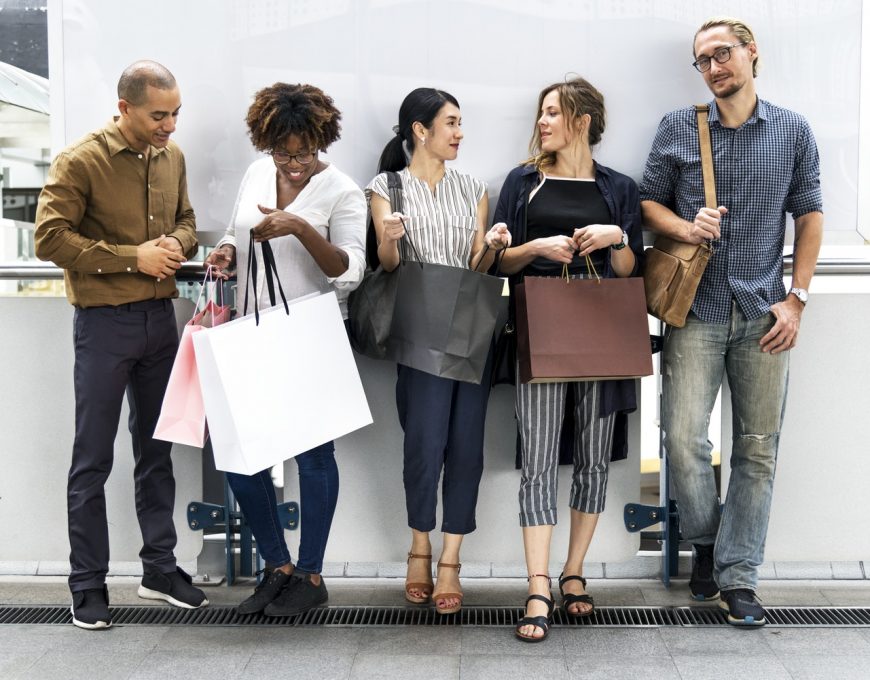
Understanding this transformation reveals how urban design, consumer psychology, and technological integration intersect to shape modern public spaces. This article explores the core strategies and structural shifts that define the modern shopping mall, examining how these massive retail environments continue to maintain relevance and drive community engagement in a digital-first world.
1. The Transition from Transactional Retail to Experiential Destinations
The survival of modern physical shopping centers relies heavily on offering experiences that cannot be replicated through a smartphone or laptop screen. Retail developers have shifted their focus from merely leasing floor space to curation, turning malls into lifestyle and entertainment destinations.
- Integrated Entertainment and Leisure Hubs: Today’s premier shopping centers regularly feature indoor amusement parks, state-of-the-art cinema complexes, interactive art exhibits, and sports facilities such as indoor skiing slopes or surfing basins. These features convert brief shopping trips into full-day family outings.
- Curated Culinary Experiences: The traditional food court featuring standardized fast-food chains is rapidly being replaced by gourmet food halls, artisanal markets, and high-end dining establishments. Food has transitioned from a convenience feature to a primary driver of foot traffic.
- Event-Driven Foot Traffic: Modern malls increasingly utilize central common areas as event spaces, hosting pop-up markets, live musical performances, fashion shows, and community workshops that foster regular repeat visits.
2. Architectural Reimagining and Biophilic Design
The physical structure of shopping malls is evolving away from monolithic, windowless boxes surrounded by sprawling parking lots. Modern architectural approaches prioritize natural lighting, open spaces, and environmental sustainability to create welcoming public environments.
- Open-Air Lifestyle Centers: Developers are moving toward open-air layouts, pedestrian-friendly streets, and outdoor plazas that mimic traditional European town squares, offering a seamless blend of fresh air and commercial convenience.
- Biophilic Architectural Elements: The integration of natural greenery, indoor gardens, living walls, and extensive skylights helps reduce retail fatigue, making visitors feel more relaxed and encouraging longer stays within the complex.
- Sustainable Building Practices: Modern commercial developments incorporate solar panels, advanced rainwater harvesting systems, energy-efficient HVAC technology, and sustainable building materials to minimize their carbon footprint and reduce long-term operating costs.
3. Omnichannel Integration and Smart Retail Infrastructure
Rather than viewing e-commerce as an enemy, forward-thinking shopping centers leverage digital technology to enhance physical convenience. The integration of smart technology creates a frictionless shopping environment that bridges physical and digital retail.
- Frictionless Logistics and Pickup Nodes: Malls now host dedicated drive-through pickup zones, centralized customer service hubs for online order returns, and automated smart lockers for major logistics networks.
- Data-Driven Visitor Engagement: Modern facilities utilize opt-in mobile applications, indoor navigation systems, and personalized location-based promotions to guide shoppers through the property efficiently while offering real-time deals.
- Interactive Storefronts and Augmented Reality: Retailers within major centers are deploying smart mirrors, digital inventory screens, and augmented reality fitting rooms, creating a tech-enhanced shopping experience that combines physical touch with digital speed.
4. The Rise of Mixed-Use Developments and Urban Micro-Districts
To insulate themselves against economic volatility and changing consumer habits, commercial real estate owners are increasingly converting single-use shopping malls into dynamic, mixed-use urban ecosystems.
- Residential and Hospitality Integration: Modern mall developments frequently incorporate luxury apartments, condominiums, and full-service hotels directly connected to the commercial complex, providing a built-in customer base.
- Co-Working and Corporate Office Spaces: Converting vacant anchor-tenant spaces into flexible co-working environments, corporate offices, and medical centers ensures steady foot traffic throughout traditional off-peak weekday hours.
- Essential Service Clusters: Integrating everyday services—such as full-scale grocery stores, fitness centers, educational facilities, and healthcare clinics—transforms the shopping center into an indispensable daily destination for local residents.
5. Community-Centric Spaces and Local Economic Impact
Beyond commerce and convenience, successful shopping centers act as critical social anchors within suburban and urban communities, providing shared public space in environments where such locations are often lacking.
- Supporting Local Entrepreneurship: Many modern shopping centers reserve specific zones or short-term kiosk spaces for local small businesses, local artisans, and pop-up concepts, giving small merchants access to high-volume foot traffic.
- Public Gathering Facilities: Incorporating public libraries, community halls, civic service offices, and public parks helps embed the shopping complex into the daily civic life of the local population.
- Regional Economic Drivers: Large-scale commercial centers remain significant drivers of local economies, generating substantial tax revenue, creating thousands of employment opportunities across various sectors, and stimulating surrounding infrastructure developments.
Conclusion
The modern shopping mall is far from obsolete; rather, it has undergone one of the most dramatic transformations in commercial real estate history. By shifting away from pure product sales and embracing experiential entertainment, sustainable design, smart technological integration, and mixed-use urban planning, shopping centers have successfully redefined their purpose. As these platforms continue to adapt to changing social and technological needs, they remain essential hubs for community connection, culture, and economic activity.