Black Friday has evolved far beyond a single day of chaotic early-morning doorbusters. Today, it represents a multi-week global retail event characterized by complex pricing algorithms, early-access promotions, and seamless hybrid shopping models. While the opportunity for substantial savings is real, navigating the overwhelming flood of advertisements requires a structured strategy. Without a clear plan, consumers often fall prey to impulse purchases, artificial discounts, and budget overruns.
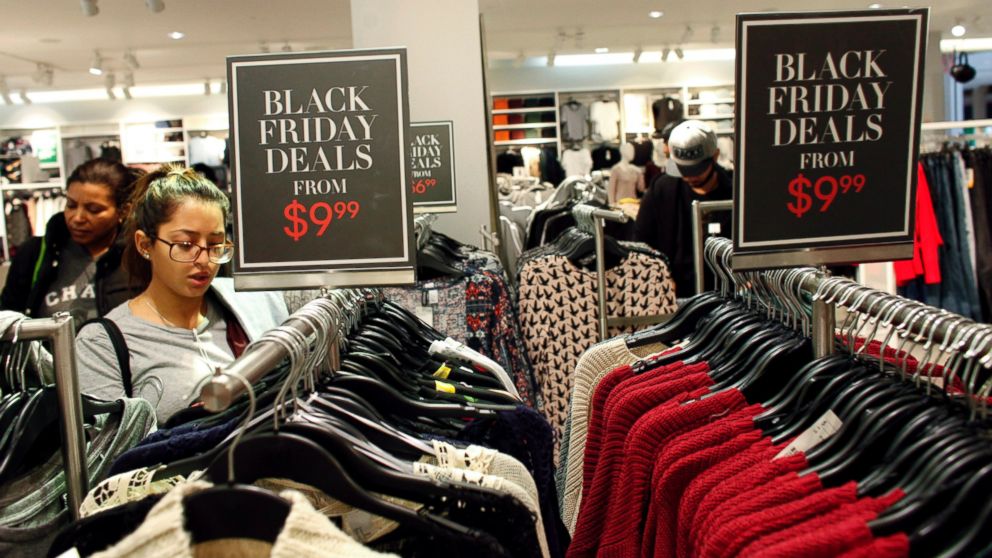
To help you maximize your savings and avoid common retail traps, this guide outlines essential, actionable suggestions for mastering the modern Black Friday shopping season.
1. Preparation and Budgetary Frameworks
Successful Black Friday shopping begins long before sales go live. Establishing clear parameters around your finances and purchasing targets is the most effective defense against overspending.
- Establish a Non-Negotiable Financial Ceiling: Determine a strict total budget before browsing any promotions. Categorize your budget into high-priority items, general gift shopping, and secondary impulse funds to maintain financial discipline.
- Construct a Targeted Shopping List: Avoid browsing sales aimlessly. Create a detailed list of specific products, models, and specifications you actually need, prioritizing high-value electronics, major appliances, or long-term household necessities.
- Conduct Historical Price Tracking: Retailers sometimes inflate original prices leading up to November to make discounts appear larger. Utilize digital price-tracking tools and browser extensions to verify an item’s true historical price trend over the previous six months.
2. Leveraging Digital Tools and Early-Access Channels
The most competitive deals are rarely reserved exclusively for Friday morning. Modern retail strategies favor digital engagement and early customer loyalty.
- Capitalize on Retailer Loyalty Programs: Sign up for free rewards programs at your targeted stores well in advance. Members frequently receive early notification of sales, exclusive discount codes, and early access to limited-stock items.
- Utilize Browser Extensions and Cash-Back Apps: Install reputable coupon-aggregating extensions and cash-back platforms. Combining retailer discounts with third-party cash-back incentives creates an effective layered savings strategy.
- Optimize Mobile Apps and Virtual Carts: Download the official mobile apps of major retailers and populate your shopping carts several days early. This ensures rapid checkout when prices drop, reducing the risk of items selling out while you enter billing details.
3. Navigating Product Quality and Retailer Tactics
Not every advertised deal represents true value. Understanding how inventory is sourced during major sale events helps ensure you receive quality products.
- Beware of Derivative and “Door-Buster” Models: Manufacturers often produce stripped-down, lower-quality versions of popular electronics—known as derivative models—specifically for Black Friday. Always double-check exact model numbers to confirm specifications match standard product lines.
- Evaluate Warranty and Return Terms: Retailers may alter their standard return windows or apply strict restocking fees during holiday sales. Verify that promotional items remain eligible for standard warranties and extended holiday returns.
- Compare Bundles Against Standalone Discounts: Package deals that include accessories can be attractive, but only if you genuinely need the bundled extras. Calculate the standalone cost of the primary product to ensure the bundle offers real financial benefit.
4. Master Payment Strategies and Security Protocols
Managing how you pay for your purchases is just as critical as choosing what to buy, affecting both your financial security and overall savings.
- Maximize Credit Card Rewards and Protections: Use payment cards that offer enhanced cash-back categories, extended warranty protections, or purchase protection against damage and theft. Always pay off the balance immediately to avoid interest charges negating your savings.
- Maintain Strict Cybersecurity Hygiene: Online shopping volume surges attract cyber threats. Stick to secure payment gateways, avoid shopping on public Wi-Fi networks without protection, and rely on virtual credit card numbers where available.
- Exercise Caution with Deferred Financing: While “Buy Now, Pay Later” (BNPL) options offer flexibility, accumulating multiple micro-installment plans can quietly strain your financial health in subsequent months.
5. Strategic In-Store and Online Execution
Deciding when and where to buy requires balancing personal convenience with deal availability across physical and digital formats.
- Prioritize Cyber Week and Online Door-Busters: Most major retailers offer identical, if not superior, deals online compared to their physical stores. Focus your effort on online inventory first to save time, travel expenses, and unnecessary stress.
- Utilize Curbside and In-Store Pickup: If an item is available locally, choose Buy Online, Pick Up In-Store (BOPIS). This guarantees inventory allocation without waiting for holiday shipping networks to process your order.
- Patience for Post-Black Friday Price Drops: If a high-ticket item does not reach your target price on Black Friday, monitor prices through Cyber Monday and early December clearance windows, when retailers often drop prices further to clear remaining stock.
Conclusion
Navigating Black Friday successfully comes down to preparation, objective evaluation, and disciplined execution. By setting strict financial boundaries, tracking historical pricing, leveraging digital tools, and staying vigilant against low-quality inventory, you can secure meaningful discounts on items you truly need. Approaching the shopping season with a clear strategy ensures that your holiday spending yields genuine value rather than financial regret.