The retail landscape has undergone a seismic shift over the past decade, transforming the traditional fashion shop from a mere physical space into a multi-dimensional brand experience. In 2026, the concept of a “Fashion Shop” is no longer confined to four walls and a clothing rack. It is a sophisticated ecosystem where technology, sustainability, and personal expression intersect. Whether it is a high-end boutique in Milan or a hyper-responsive online platform, the modern fashion product shop must master the art of storytelling to capture the heart of the contemporary consumer.
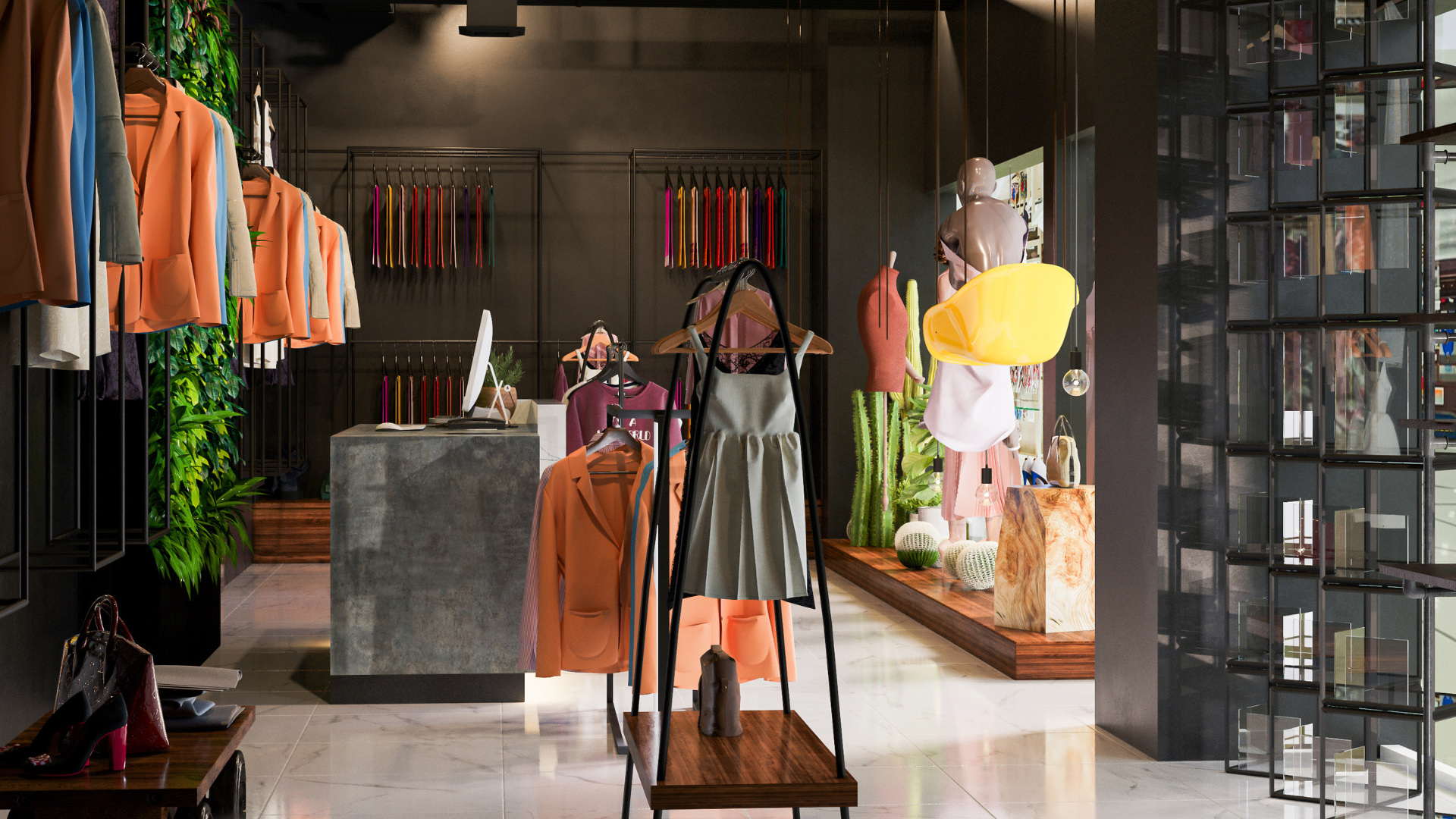
This article explores the essential elements that define a successful fashion shop in the current era, the importance of curated collections, and how the “phygital” (physical plus digital) experience is reshaping our wardrobes.
The Curation Quotient: Quality Over Quantity
In an age of “fast fashion” fatigue, the most successful fashion shops have pivoted toward intentional curation. Consumers are increasingly overwhelmed by infinite choices, leading to what psychologists call “decision paralysis.” A professional fashion product shop solves this by acting as a filter, presenting only the most relevant, high-quality pieces to its audience.
Curation is not just about picking pretty clothes; it is about building a cohesive narrative. A well-curated shop tells a story—perhaps it is the story of minimalist Japanese aesthetics, or the vibrant, reclaimed textiles of West African heritage. By narrowing the focus, a shop transitions from being a generic vendor to a trusted style authority. This trust is the most valuable currency in the fashion world today. When a customer enters a shop, they are looking for more than just a garment; they are looking for a curated vision of who they could become.
The Rise of the “Phygital” Experience
The debate between physical stores and online shopping has reached a conclusion: the winner is both. The modern fashion shop must be “phygital,” providing a seamless transition between the digital screen and the tactile experience of a physical showroom.
Online platforms now utilize Augmented Reality (AR) to allow customers to “try on” clothes virtually using their smartphone cameras. However, the physical shop remains the “shrine” of the brand. Many leading retailers have converted their stores into experiential hubs where sales are secondary to brand immersion. You might enter a shop to see an art installation or enjoy a specialty coffee, with the option to scan a QR code on a garment and have it delivered to your home by evening. This integration removes the friction of carrying shopping bags while retaining the sensory joy of feeling fabric and seeing colors in natural light.
Sustainability as a Product Standard
In 2026, sustainability is no longer a “marketing hook”—it is a baseline requirement. A modern fashion product shop that ignores its environmental and social footprint risks total irrelevance. Informed consumers now look for “Radical Transparency.” They want to know the “true cost” of a product: where the cotton was grown, the conditions of the factory where it was sewn, and the carbon footprint of its transit.
Innovative shops are now integrating “Resale” and “Repair” stations directly into their business models. Instead of only selling new products, these shops facilitate the circular economy by allowing customers to bring back old items for store credit or professional mending. By shifting the focus from “disposable” to “durable,” the fashion shop of today builds a long-term relationship with the customer that lasts far beyond the initial transaction.
Personalization through Data and AI
The “one size fits all” approach is a relic of the past. Modern fashion shops leverage Artificial Intelligence to provide hyper-personalized shopping experiences. By analyzing previous purchases, browsing habits, and even local weather patterns, online shops can present a unique “storefront” for every individual user.
For example, if you live in a rainy climate and have a preference for sustainable wool, your version of the fashion shop will prioritize waterproof outerwear and ethically sourced knits. This level of personalization makes the shopper feel seen and understood. In the physical realm, this translates to “VIP Styling Suites” where associates have a digital profile of the customer’s preferences ready before they even walk through the door, ensuring that every recommendation is on-point and meaningful.
The Importance of Visual Merchandising
Whether digital or physical, visual merchandising is the “silent salesperson.” In a physical shop, this involves lighting, scent, and the strategic placement of hero products to guide the customer’s journey. In the digital world, this translates to high-definition video content, 360-degree product views, and “Shop the Look” features that show how a single item can be styled in multiple ways.
The goal of visual merchandising is to move a product from being a “commodity” to being an “object of desire.” By showing a blazer not just on a hanger, but as part of a complete outfit photographed in an inspiring setting, the shop provides the customer with a roadmap for their own self-expression.
Conclusion: The Future of the Fashion Shop
The fashion product shop of the future is a place of connection. It connects the creator to the consumer, the digital to the physical, and the individual to a community of like-minded enthusiasts. As we move forward, the shops that thrive will be those that prioritize ethics as much as aesthetics, and those that realize that fashion is not just about what we wear, but how we choose to present our values to the world.
Success in the fashion retail world now requires a delicate balance of high-tech innovation and high-touch human connection. It is about creating a space—whether in the palm of a hand or on a busy city street—where every product feels like a discovery and every purchase feels like a conscious choice.